



Loose Wool for Rubbing & Pressure Points
Place a small tuft of loose wool:
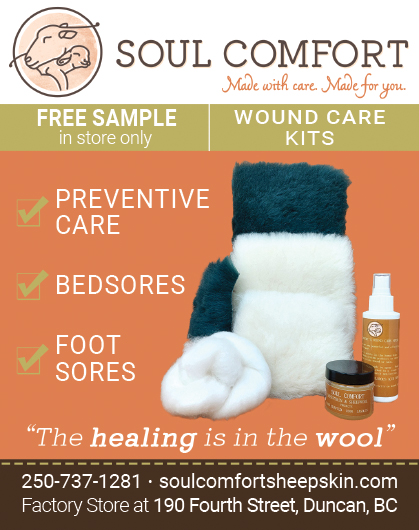
Over bunions
Under toes
Around heels
On top of the foot
Inside hiking boots
Wool reduces friction, absorbs moisture, and prevents heat buildup.
Merino Wool Strands Between Toes
A 12” merino strand prevents:
Moisture accumulation
Skin maceration
Toe‑to‑toe rubbing
Ideal for diabetics, athletes, and people with toe deformities.
Wool Insoles for Synthetic‑Surface Damage
Synthetic insoles trap heat and moisture, causing sores under the foot.
A wool insole:
Regulates temperature
Absorbs sweat
Reduces friction
Prevents under‑foot ulcers
This is critical for diabetics who cannot feel early damage.
Wider Shoes & Natural Materials
Recommend:
Wide‑toe‑box shoes
Soft leather or wool‑lined footwear
Avoiding stiff synthetics
Proper fit prevents bunion rubbing, toe pressure, and forefoot chafing.
Lanolin + Wool for Open Spots
For small open areas or irritated spots:
Clean with hypochlorous acid
Apply a light lanolin layer
Place loose wool
Cover with gauze
This protects the area and supports natural healing.
Continuous Wool Boot Use for High‑Risk Feet
Wool boots maintain warmth and circulation, reducing recurrence of breakdown.
Essential for:
Diabetics
Neuropathy
Elderly with fragile skin
People with poor circulation
Clinical Takeaway
Most footwear‑related skin breakdown begins with rubbing, pressure, heat, or moisture, all preventable with early intervention.
Wool provides a natural, antimicrobial, friction‑free barrier that protects the foot before damage occurs.
 Anyes de Laat
Soul Comfort Sheepskin
Phone 250-737-1281
Toll-Free 1-800-404-0622
Fax 250-737-1282
www.soulcomfortsheepskin.com


See all articles by Anyes deLaat